 Ready Made Engagement Rings
 Start with Ring Setting
 Start with Diamond / Sapphire
 Solitaire
 Side Stones
 Vintage
 Bezel
Bezel
 Halo
Halo
 Three Stone
 Toi et Moi
 Round
Round
 Cushion
 Radiant
 Oval
Oval
 Pear
Pear
 Emerald
 Marquise
 Ready-to-Purchase Sapphire Engagement Rings
 Custom Sapphire Ring Design Form
 Custom Build your Sapphire Ring
 Sapphire Anniversary/Wedding Rings
 Teal
Teal
 Pink
Pink
 Blue
Blue
 Purple
 Green
Green
 Orange
 Parti
Parti
 White
White
 Yellow
 Round
Round
 Emerald
 Oval
Oval
 Pear
Pear
 Cushion
 Radiant
 Elongated Cushion
 Marquise
 Princess
 MELB: (03) 9805 0800



Oval Engagement Rings: The Complete Guide to Choosing the Perfect Oval Diamond Ring

Oval engagement rings are loved for their elegant shape, brilliant sparkle and timeless appeal. Combining the brilliance of a round diamond with a more elongated silhouette, an oval-cut diamond can look larger on the finger while creating a refined and flattering appearance.
Whether you prefer a classic oval solitaire, a sparkling halo or a bespoke design with intricate detailing, oval engagement rings offer exceptional versatility. In this guide, we explore everything you need to know about oval-cut diamonds, including proportions, settings, bow ties, wedding band pairing and how to choose the right oval engagement ring.
What Is an Oval-Cut Diamond?
An oval-cut diamond is an elongated brilliant-cut diamond with a rounded outline. It typically features 57 or 58 facets, arranged to reflect light and create impressive brilliance and sparkle.
The modern oval brilliant cut was developed in the 1950s. Since then, it has become one of the most popular fancy-shaped diamonds for engagement rings.
Oval diamonds offer several advantages:
- Their elongated shape can make the finger appear longer and more slender
- They often look larger than round diamonds of the same carat weight
- Their brilliant faceting produces excellent sparkle
- They suit a wide range of engagement ring settings
- Each oval diamond has its own individual shape and proportions
Oval engagement rings can feel classic, contemporary or completely unique, depending on the setting, metal and design details you choose.
Why Are Oval Engagement Rings So Popular?
Oval engagement rings have grown in popularity because they provide the brilliance of a round diamond with a more distinctive appearance.
Their elongated surface area means an oval diamond can appear larger when viewed from above than a round diamond of the same carat weight. This can make an oval-cut diamond an excellent choice for someone wanting a ring with strong visual presence.
Oval diamonds are also remarkably versatile. They look beautiful in minimalist solitaire settings, delicate hidden halos, vintage-inspired designs and modern three-stone rings. Their softly curved shape works equally well with white gold, yellow gold, rose gold and platinum.
Do Oval Diamonds Look Bigger?
Oval diamonds often appear larger than round brilliant diamonds of the same carat weight. This is because their elongated shape provides a greater visible surface area across the finger.
However, carat weight alone does not determine how large an oval diamond will look. Two diamonds with the same carat weight can have different measurements depending on their depth, proportions and cut.
When comparing oval diamonds, consider:
- Length and width measurements
- Total depth
- Length-to-width ratio
- Cut quality and light performance
- How the diamond carries its weight
- The style of the engagement ring setting
A well-proportioned oval diamond should have a beautiful face-up appearance without carrying unnecessary weight beneath the setting.
What Is the Best Length-to-Width Ratio for an Oval Diamond?
The length-to-width ratio describes how long or rounded an oval diamond appears. It is calculated by dividing the diamond’s length by its width.
There is no single perfect ratio, as the ideal oval shape is a matter of personal preference. However, many people prefer oval diamonds with a length-to-width ratio between approximately 1.35 and 1.50.
Rounded oval diamonds
An oval with a lower ratio will have a wider, more rounded appearance. This can create a softer and fuller look on the finger.
Classic oval diamonds
A balanced oval shape often falls around the middle of the commonly preferred range. It offers an elegant outline without appearing too round or overly narrow.
Elongated oval diamonds
An oval with a higher ratio will look longer and slimmer. Elongated oval diamonds can provide greater finger coverage and create a dramatic, contemporary appearance.
The best ratio is the one that suits your preferred aesthetic. Whenever possible, compare oval diamonds visually rather than selecting one based on numbers alone.
What Is the Bow-Tie Effect in an Oval Diamond?
The bow-tie effect is a dark, bow-shaped area that may appear across the centre of an oval diamond. It is caused by the way light moves through the diamond’s elongated facets.
Most oval diamonds display some degree of bow tie. A subtle bow tie is normal and may even contribute to the diamond’s character and contrast. However, a very dark or prominent bow tie can reduce brightness and distract from the overall beauty of the stone.
The strength of a bow tie is not usually listed on a diamond grading certificate. This makes visual assessment particularly important when choosing an oval diamond.
A high-quality oval diamond should display balanced brilliance across the stone, with a bow tie that does not overpower its sparkle.
How to Choose an Oval Diamond
Unlike round brilliant diamonds, oval diamonds do not receive an overall cut grade from major diamond grading laboratories such as GIA. Choosing an oval diamond therefore requires more than simply reviewing its certificate.
1. Assess the overall shape
Look for an oval outline that appears balanced and symmetrical. The curves should flow smoothly, without uneven shoulders or an irregular shape.
2. Consider the proportions
Avoid focusing on carat weight alone. Review the diamond’s measurements, depth and face-up size to understand how it will appear once set.
3. Examine the bow tie
View the diamond in different lighting conditions and angles. A strong black band through the centre may indicate an overly prominent bow tie.
4. Look at brilliance and light performance
A beautiful oval diamond should appear bright and lively, with balanced sparkle across its surface.
5. Choose your preferred ratio
Decide whether you prefer a rounded, classic or elongated oval shape. This is a personal design choice rather than a question of quality.
6. Review colour and clarity
Oval diamonds can sometimes show colour more noticeably near their ends. The setting metal can also influence how the diamond’s colour is perceived.
Clarity should be assessed visually. An eye-clean diamond may offer excellent value, even if it does not have the highest clarity grade.
The Best Settings for Oval Engagement Rings
Oval diamonds complement many different engagement ring styles. The right setting will depend on your lifestyle, personal style and desired level of sparkle.
Oval solitaire engagement rings
An oval solitaire places the centre diamond firmly in the spotlight. This timeless setting is ideal for highlighting the diamond’s elegant shape and impressive finger coverage.
A simple solitaire can be customised with different bands, claw styles, setting heights and hidden details.
Oval engagement rings with a hidden halo
A hidden halo features small diamonds beneath the centre stone. It adds sparkle from the side while maintaining a clean, solitaire-inspired appearance when viewed from above.
Oval halo engagement rings
A traditional halo surrounds the oval centre diamond with smaller diamonds. This can enhance the ring’s overall presence and create a glamorous, high-sparkle look.
Oval engagement rings with a diamond band
A diamond-set band provides additional brilliance while keeping the oval centre stone as the main feature. Options include pavé, shared-prong and channel-set diamond bands.
Three-stone oval engagement rings
An oval centre diamond can be paired with pear, round, tapered baguette, trapezoid or half-moon side stones. A three-stone setting creates a distinctive design with excellent finger coverage.
Bezel-set oval engagement rings
A bezel setting surrounds the diamond with a fine border of metal. It offers a sleek, contemporary appearance while providing added protection around the stone.
Vintage-inspired oval engagement rings
Milgrain detailing, engraved bands and intricate halos can give an oval engagement ring a romantic, vintage-inspired character.
Which Claw Setting Is Best for an Oval Diamond?
Oval diamonds are commonly held with four or six claws.
A four-claw setting exposes more of the diamond and can create a clean, modern appearance. A six-claw setting provides additional points of contact and may give the ring a more traditional look.
The tips of an oval diamond should be properly protected. Depending on the design, claws may be positioned at each end to help protect these more vulnerable areas.
Claw style can also change the overall aesthetic. Fine rounded claws offer a classic look, while pointed talon claws can feel sharper and more contemporary.
Oval Engagement Rings in Yellow Gold, White Gold, Rose Gold or Platinum
The metal you choose can significantly influence the appearance of an oval engagement ring.
Yellow gold oval engagement rings
Yellow gold creates a warm and timeless contrast with a white diamond. It is particularly beautiful in classic solitaire and vintage-inspired designs.
Some clients choose a yellow gold band with white gold or platinum claws to maintain a bright, neutral appearance around the diamond.
White gold oval engagement rings
White gold provides a bright, contemporary finish that complements the colour of a white diamond. It is a popular choice for halo and diamond-band designs.
Rose gold oval engagement rings
Rose gold introduces a soft, romantic warmth. Its blush tone works beautifully with both minimalist and vintage-inspired oval engagement rings.
Platinum oval engagement rings
Platinum is naturally white, durable and well suited to securely setting diamonds. Its neutral colour allows the oval centre stone to remain the visual focus.
Natural and Lab-Grown Oval Diamonds
Oval engagement rings can feature either natural or lab-grown diamonds.
Natural diamonds are formed within the earth over billions of years, making each stone a rare natural creation. Lab-grown diamonds are produced in controlled environments but share the same essential chemical and physical properties as natural diamonds.
The right choice depends on your preferences, values and budget. Whichever option you choose, focus on the diamond’s beauty, proportions, certification and visual performance.
Oval Sapphire Engagement Rings
Oval engagement rings are not limited to diamonds. Natural oval sapphires offer rich colour, individuality and exceptional beauty.
Blue remains the most recognised sapphire colour, but natural sapphires are also available in green, teal, yellow, pink, peach and parti colours. Because every natural sapphire is unique, its colour distribution, tone, inclusions and cut should be considered individually.
An oval sapphire can be paired with a diamond halo, diamond side stones or a simple solitaire setting for a distinctive alternative to a traditional diamond engagement ring.
What Wedding Band Suits an Oval Engagement Ring?
The right wedding band will depend on the height and structure of the engagement ring setting.
If the oval centre stone is elevated sufficiently, a straight wedding band may sit flush or close to the engagement ring. A lower-profile setting may require a curved or contoured wedding band to accommodate the centre stone.
Popular wedding band options include:
- A classic plain gold band
- A fine pavé diamond band
- A curved or contoured wedding ring
- A shared-prong diamond band
- A statement eternity or anniversary band
- A bespoke band designed around the engagement ring
If a minimal gap between the rings is important, it is best to consider the wedding band during the engagement ring design process. This allows both rings to be designed as a cohesive set.
Are Oval Engagement Rings Suitable for an Active Lifestyle?
Oval engagement rings can suit an active lifestyle when designed thoughtfully. A lower setting, secure claws and a well-proportioned band can help create a practical and durable ring.
A bezel setting may be worth considering if protection is a priority. However, no engagement ring is completely resistant to impact or wear. Rings should be removed during sport, weight training, gardening, heavy lifting and other activities that may damage the setting.
Regular professional inspections are also important to ensure that the claws remain secure and the ring stays in excellent condition.
How Much Does an Oval Engagement Ring Cost?
The cost of an oval engagement ring depends on several factors, including:
- Whether the centre stone is a natural diamond, lab-grown diamond or sapphire
- Carat weight and face-up dimensions
- Diamond colour and clarity
- Shape, proportions and overall visual performance
- The chosen metal
- Setting complexity
- Additional diamonds or design details
- Craftsmanship and customisation
Two oval diamonds with similar grading details may look noticeably different in person. For this reason, choosing purely by certificate specifications or price may not produce the most beautiful result.
Designing a Bespoke Oval Engagement Ring
A bespoke oval engagement ring allows you to customise every element of the design, including:
- The shape and proportions of the centre stone
- Natural or lab-grown diamond selection
- Metal type and colour
- Band width and profile
- Four-claw or six-claw setting
- Hidden halo or traditional halo
- Diamond-set or plain band
- Setting height
- Side stones and accent diamonds
- Wedding band compatibility
At KAVALRI, we work closely with each client to source an oval diamond or natural sapphire that suits their preferences and create an engagement ring specifically for them. Our personalised approach means you are not limited to a mass-produced or cookie-cutter design.
Frequently Asked Questions About Oval Engagement Rings
Are oval engagement rings timeless?
Yes. Oval diamonds combine a classic brilliant cut with an elegant elongated shape. Their versatility allows them to suit both traditional and contemporary engagement ring designs.
Do oval diamonds sparkle as much as round diamonds?
Oval diamonds are brilliant-cut and can produce excellent sparkle. However, light performance varies between individual stones, so visual assessment is essential.
Is an oval diamond cheaper than a round diamond?
Oval diamonds may offer a lower price per carat than comparable round brilliant diamonds, although pricing depends on availability, quality, proportions and market demand.
What is the most popular oval diamond ratio?
Many people prefer a ratio between approximately 1.35 and 1.50, but there is no universally ideal proportion. The best shape depends on whether you prefer a rounded, classic or elongated oval.
Is a bow tie always bad?
No. Most oval diamonds have some bow-tie effect. The goal is to avoid a bow tie that appears overly dark or dominates the centre of the diamond.
Does an oval diamond make your finger look longer?
The elongated shape of an oval diamond can create the visual impression of a longer, more slender finger.
Can an oval engagement ring sit flush with a wedding band?
It can if the engagement ring setting has been designed with sufficient clearance. Lower settings may require a curved or contoured wedding band.
Find Your Perfect Oval Engagement Ring
Oval engagement rings offer an ideal balance of brilliance, elegance and individuality. From timeless solitaire designs to detailed halos and bespoke three-stone rings, an oval centre stone can be adapted to suit almost any personal style.
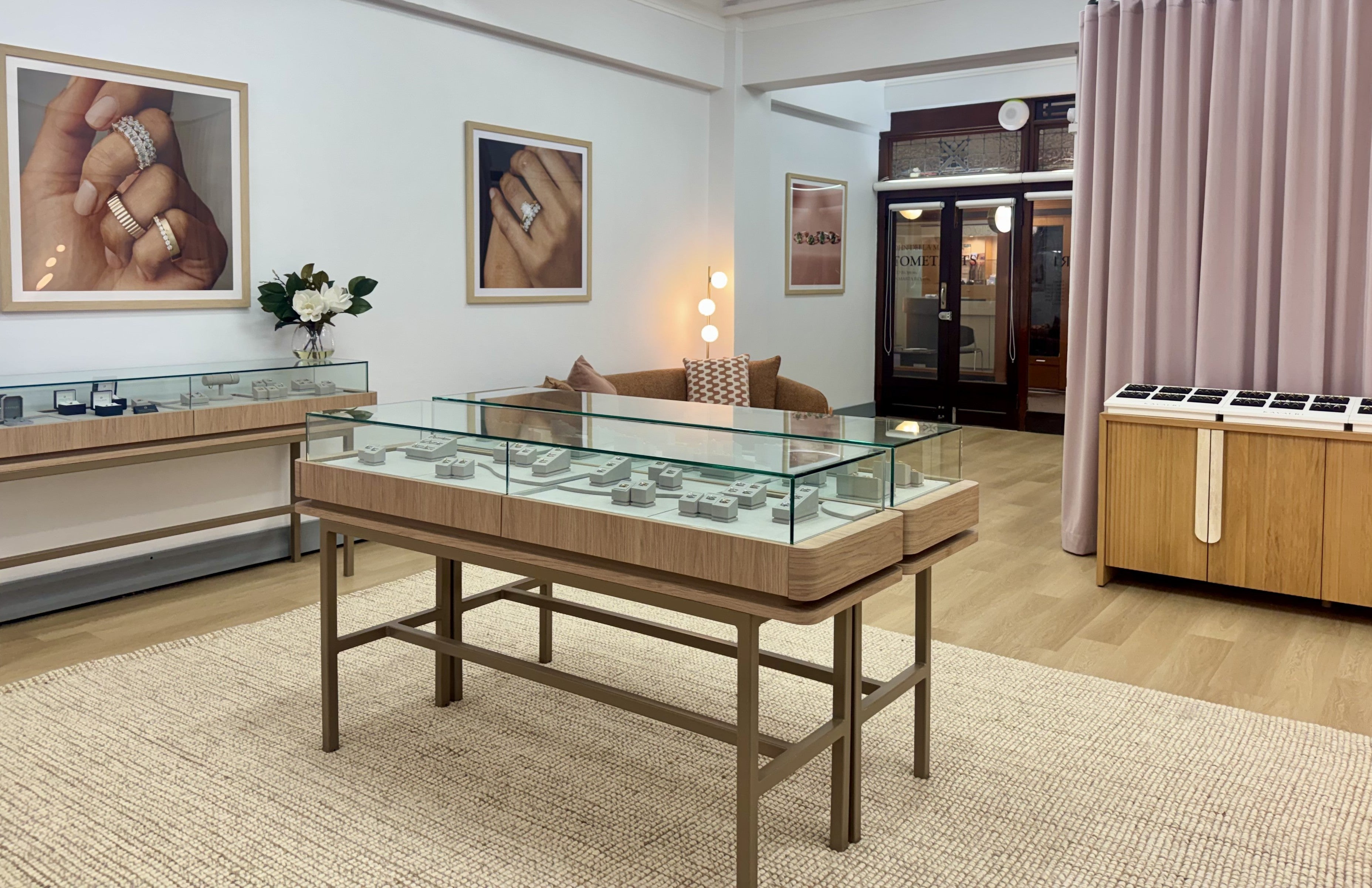
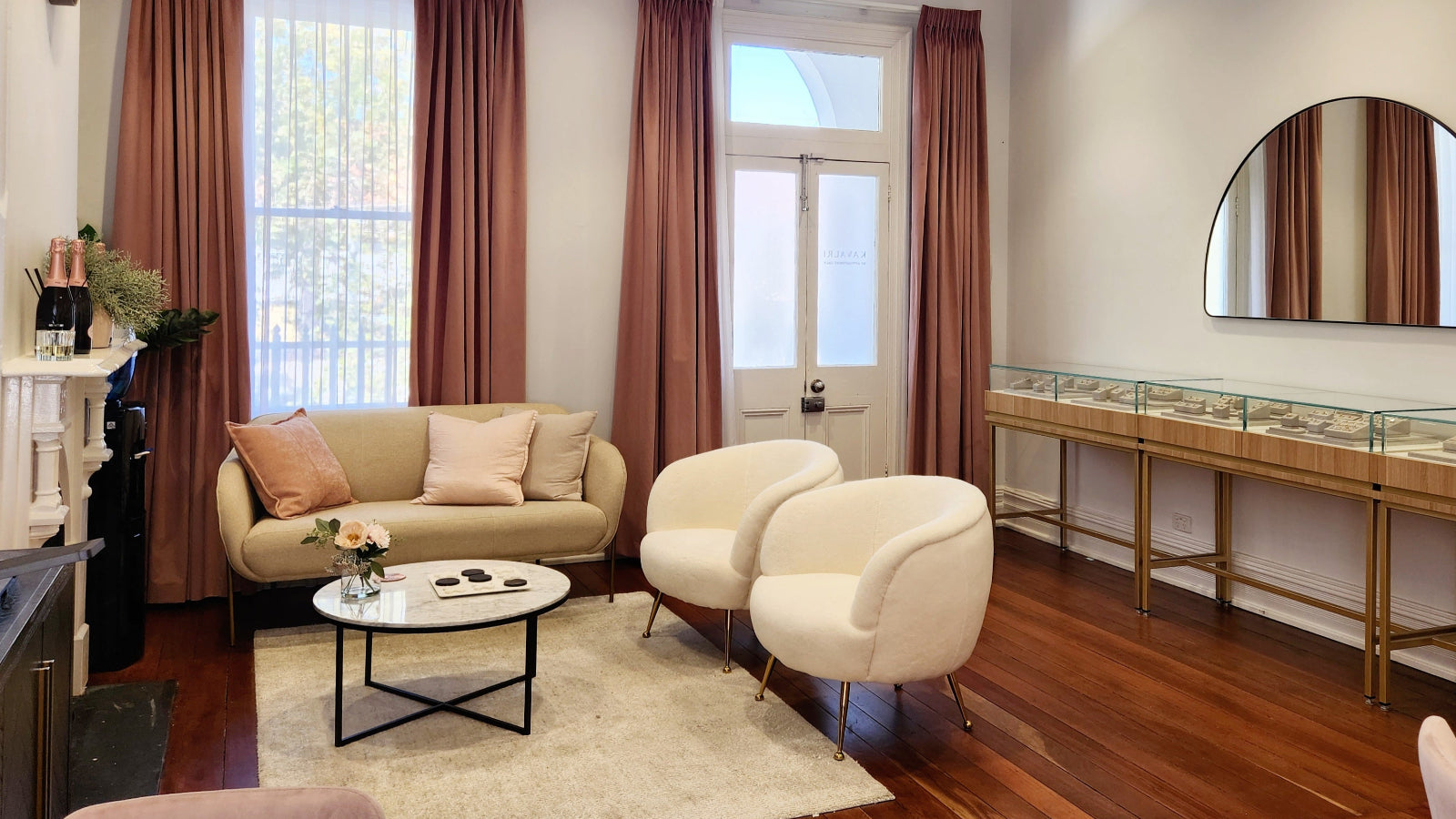
Explore KAVALRI’s collection of oval engagement rings or book a personalised showroom appointment to compare designs, view centre stone options and create a ring that feels uniquely yours.


Leave a comment